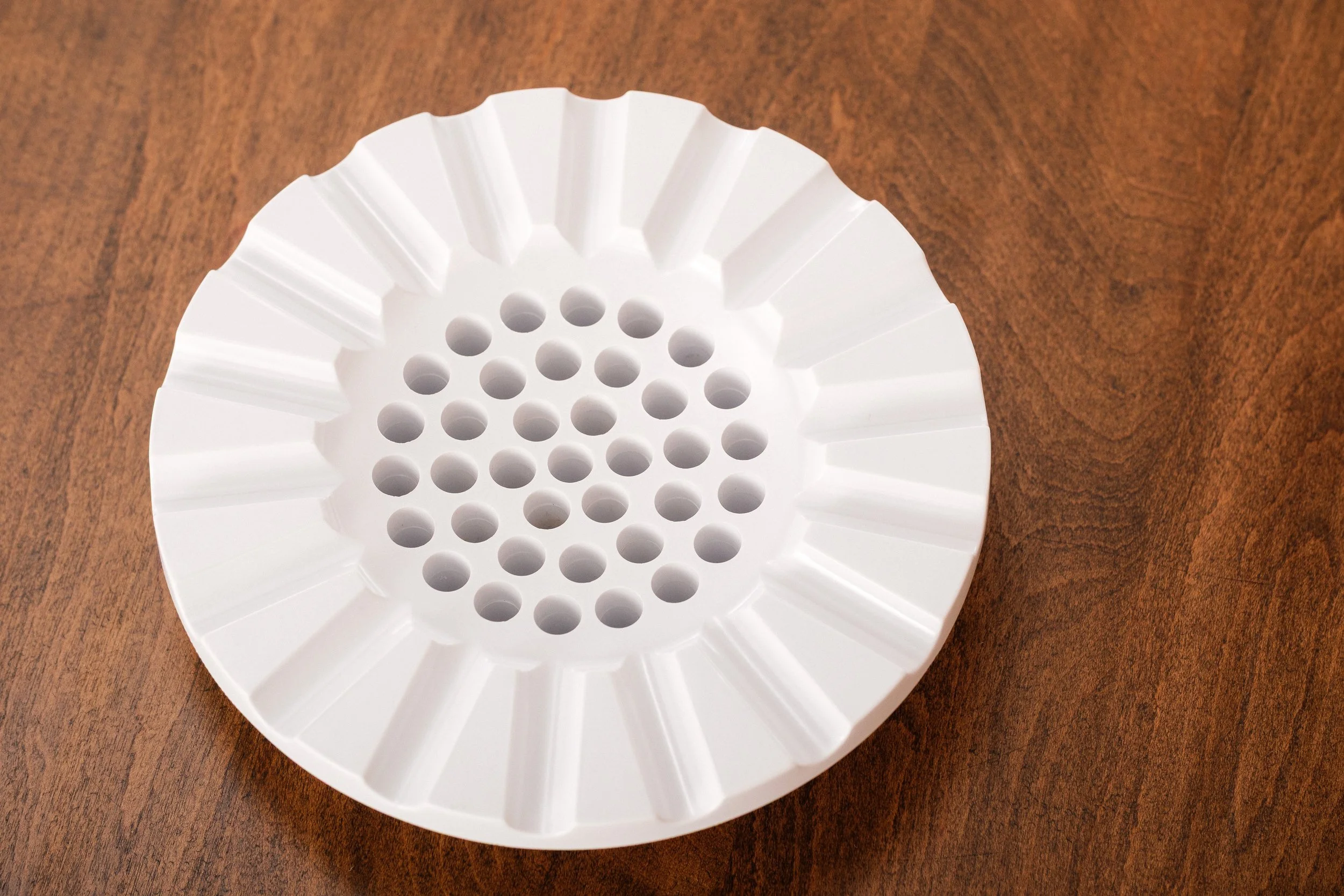
 Image 1 of 8
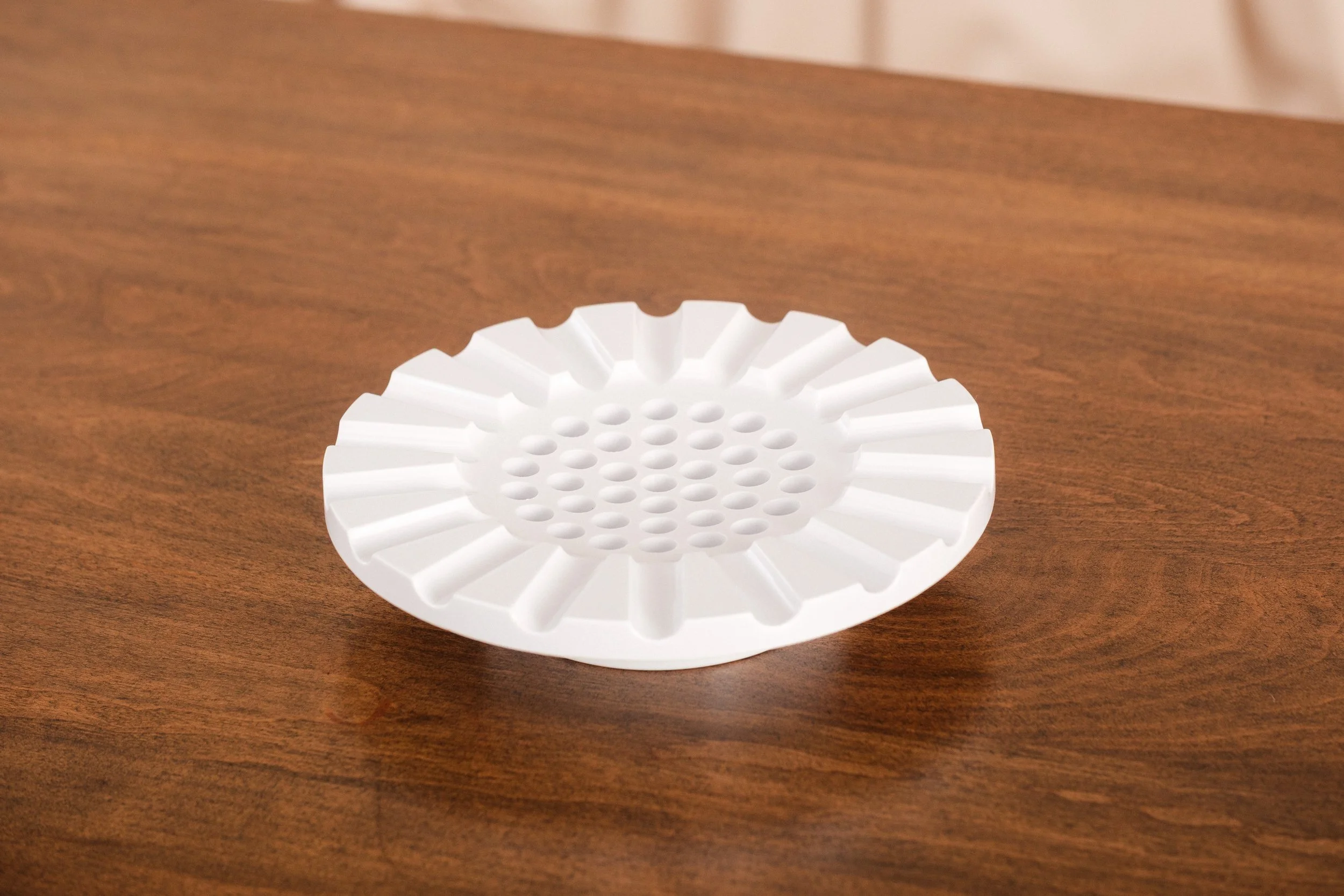 Image 2 of 8
 Image 3 of 8
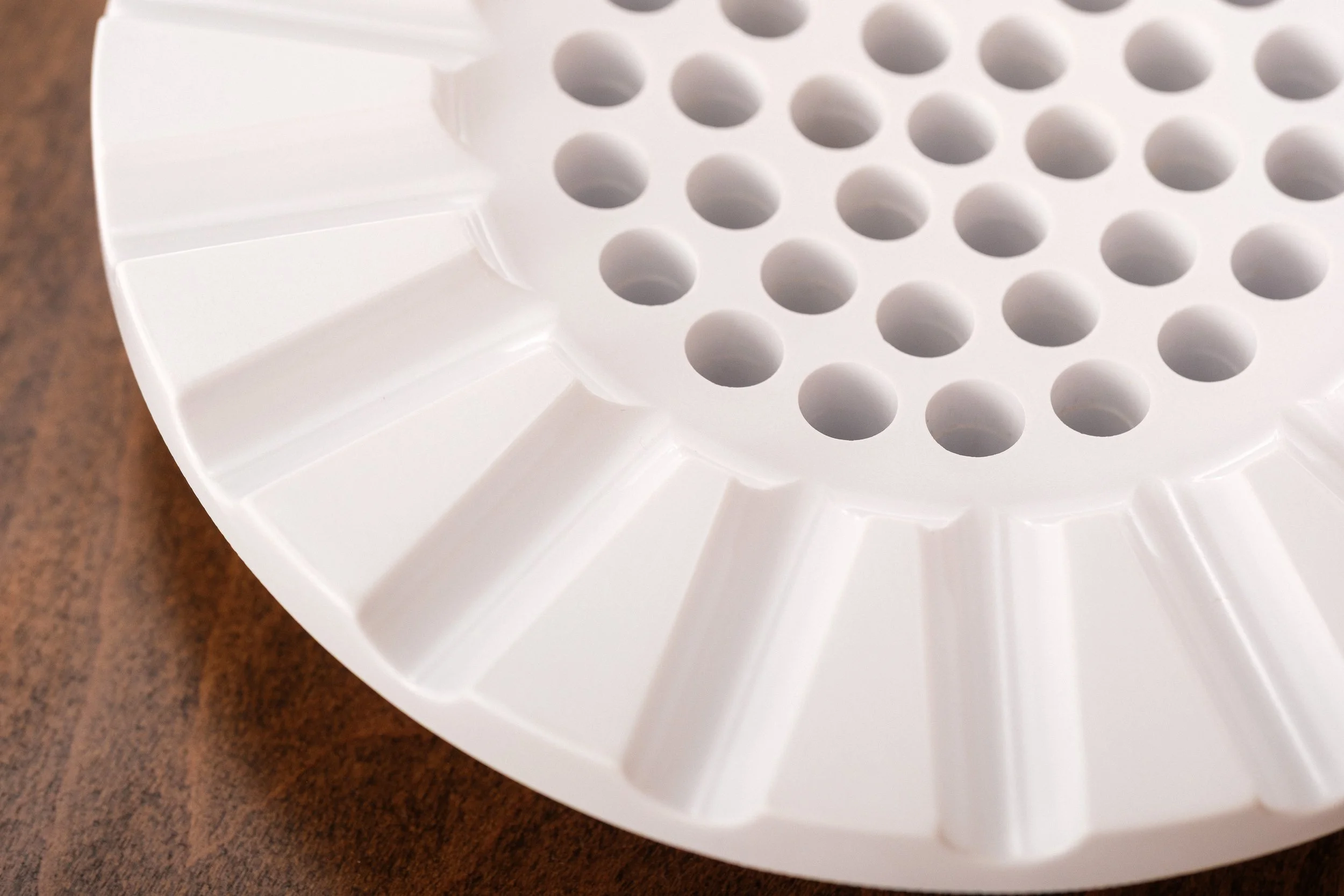 Image 4 of 8
 Image 5 of 8
 Image 6 of 8
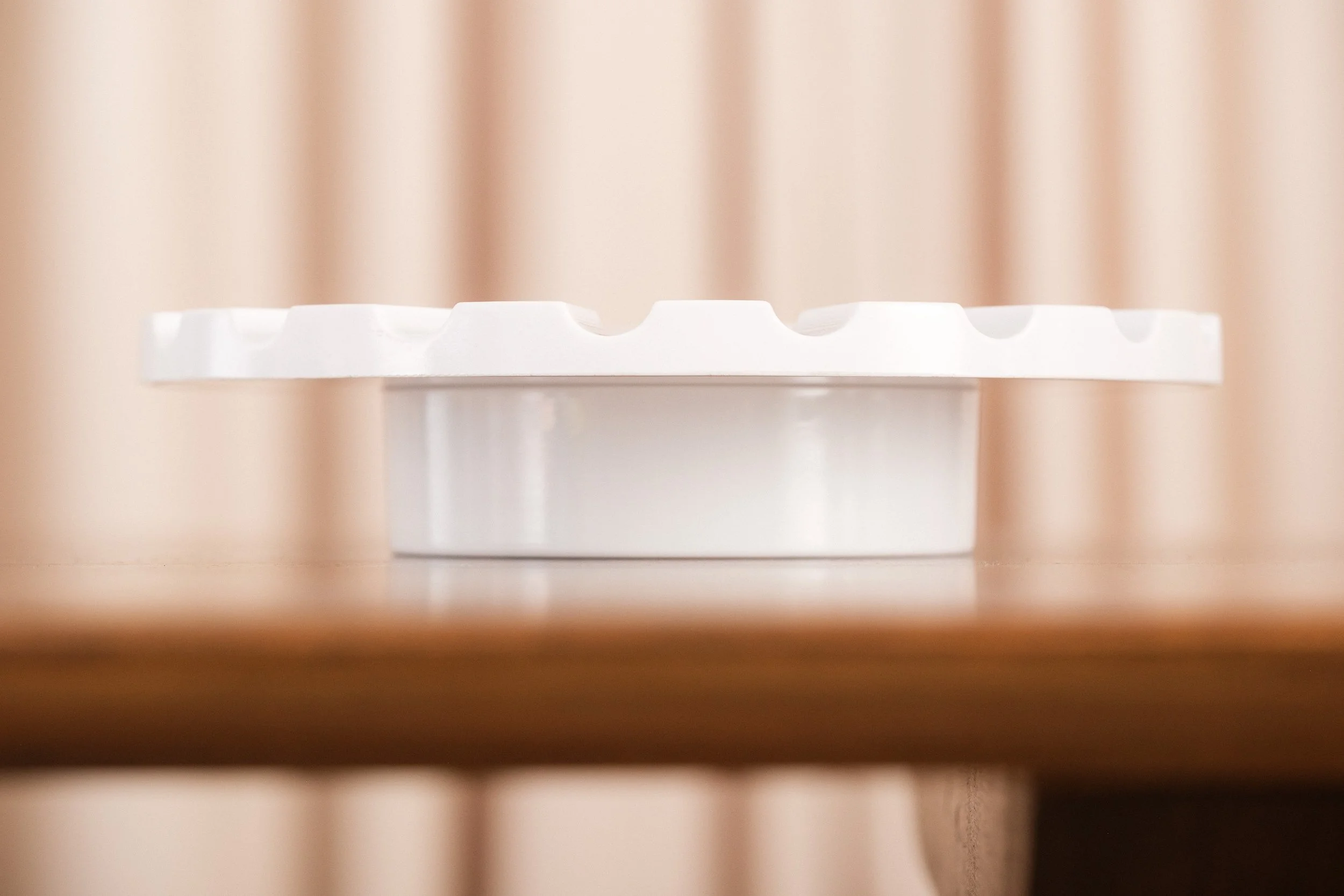 Image 7 of 8
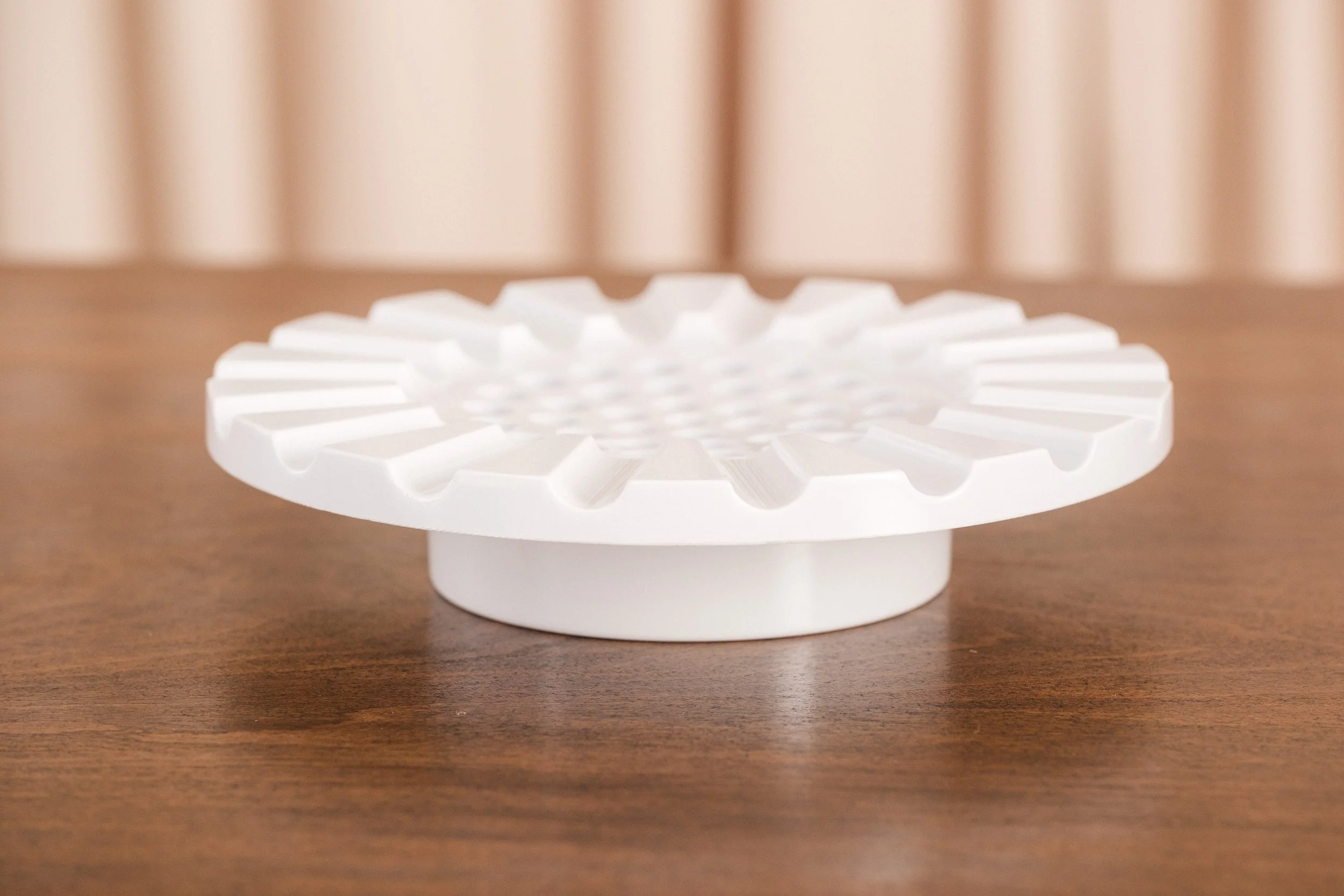 Image 8 of 8
-
Dimensions: 9.8in Diameter, 1.8in H
Origin: Italy
Period: 1970s
Materials: ABS Plastic
Condition: Excellent. No cracks, chips, or discoloration. Clean and ready to display.
-
Local Pickup: Local pickup is available by appointment from our warehouse and is free of charge. Pickup must occur within 7 calendar days of purchase unless otherwise agreed to in writing.
Local Delivery: Local delivery is available within the city of Chicago through trusted third-party carriers for aflat rate of $150. Expedited delivery may be available at additional cost.
White Glove Delivery: White Glove delivery is available through trusted third-party carriers and includes in-home placement and removal of packaging debris. Availability and pricing vary by item and location—please contact in advance for a quote.
Shipping: Domestic shipping in the U.S. is available via USPS for eligible smaller items. In-stock pieces typically ship within 5–7 business days.
View all shipping policies here.
-
This piece is being sold as a vintage item. Minor variations, patina, and signs of wear are part of its character and authenticity.
A large round lounge chair in the Satellite form that Milo Baughman designed for Thayer Coggin. The circular back wraps around a deep, round button-tufted seat cushion, and the chair rolls on brass casters.
It’s roomy enough to curl up in, or to share. It has been reupholstered in dark green velvet that reads nearly black in low light and shows its green in daylight.